Indie Beauty Lab Setups: A GMP Checklist & Cosmetic Manufacturing Equipment List
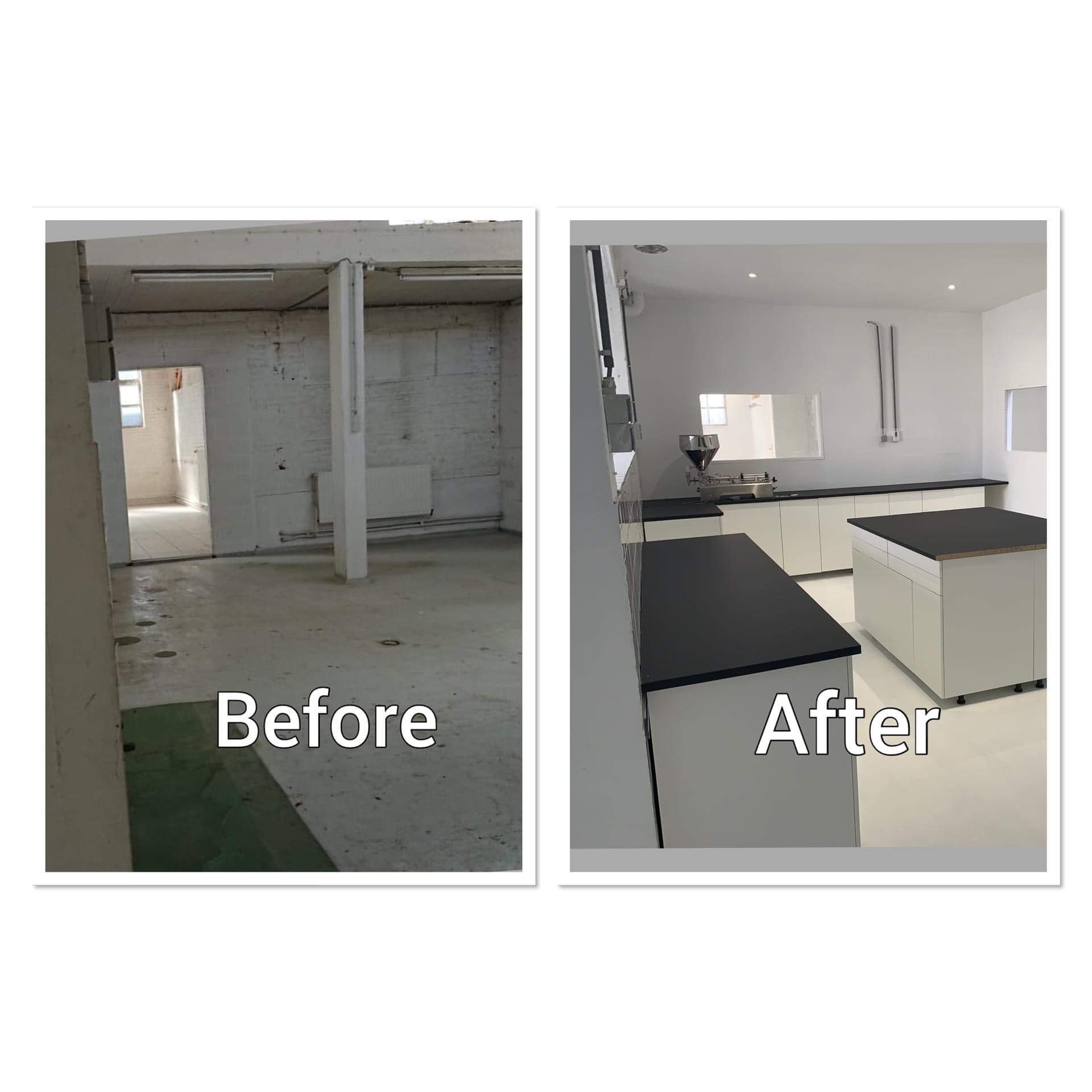
Let’s stir up some magic in the lab with today’s guide to setting up GMP-compliant indie beauty lab setups. If you’re ready to start a cosmetic lab and bring your small batch skincare production to GMP-level standards, this checklist will guide you.
Starting a skincare brand from your kitchen can feel exciting, intimate, hands-on, and full of creative freedom. But as your brand grows, the same space that nurtured your first balm or serum may start holding you back.
You begin wondering: Am I ready for a real lab? What do I actually need to set one up? And perhaps most importantly: Can I do this without spending a fortune?
The good news is yes, you absolutely can. And you don’t need a 100m² warehouse or industrial-sized mixers to start producing like a professional. What you do need is strategy, compliance, and the right setup for your current phase of business, with room to grow.
This post is your ultimate checklist for creating a small-scale, GMP-inspired indie beauty lab that’s efficient, compliant, and tailored to your production needs. Whether you’re creating 100 jars or scaling to your first 1,000-unit batch, this guide will help you move from chaos to control with confidence.
Why You Need a Proper Lab (Even if You’re Just Starting Out)
Let’s bust a myth: you don’t have to wait until you’re a six-figure brand to build a professional production space.
In fact, setting up well-planned indie beauty lab setups early on will help you:
Stay GMP compliant
Avoid batch inconsistencies, contamination, and spoilage
Increase production speed and efficiency
Feel confident accepting wholesale or spa orders
Build trust with customers, retailers, and regulators
It’s not just about scaling. It’s about being safe, structured, and seen as a serious business, even at a small scale.
Zoning Your GMP-Compliant Skincare Lab
Even in compact lab spaces, workflow zoning is essential. Separating your production steps reduces cross-contamination risk, supports traceability, and improves efficiency.
Your lab should include distinct zones for:
Raw material storage with batch codes and expiry dates
Production and mixing
Cooling and filling
Cleaning and sanitation
Finished goods storage and packing
Even if you’re working from a single room, visual separation using shelving, carts, or designated worktops can support proper GMP flow.
Essential Tools and Cosmetic Manufacturing Equipment List
Whether you’re building your first formulation space or upgrading an existing lab, having a clear cosmetic manufacturing equipment list is critical.
Forget oversized industrial machines. What you need is fit-for-purpose equipment that ensures reproducibility, safety, and compliance.
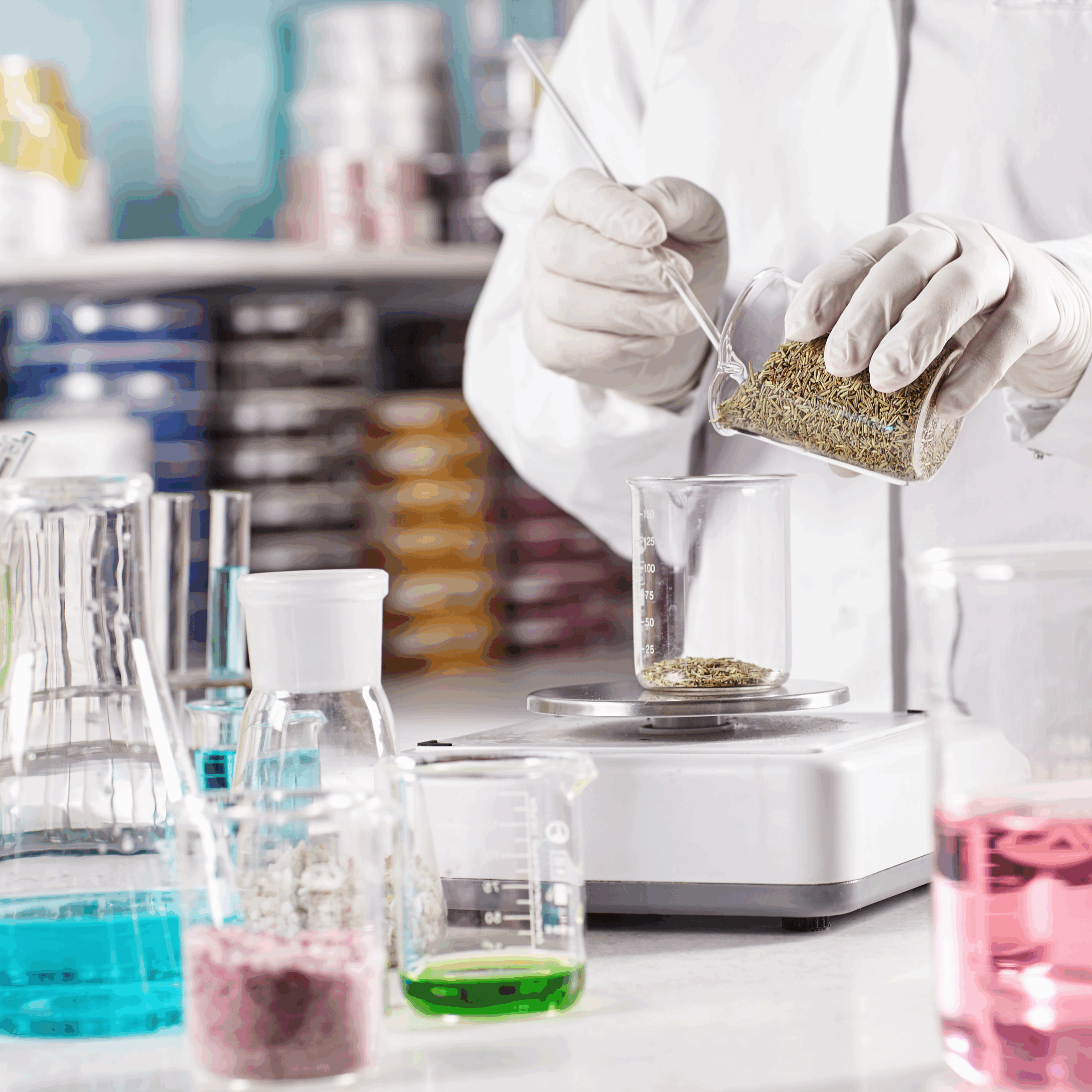
Here is a practical cosmetic manufacturing equipment list for indie beauty brands:
Precision scales with 0.001 g accuracy for actives and 1 g accuracy for bulk
Borosilicate glass or 316 stainless steel beakers and mixing bowls
Food-grade spatulas, pipettes, and whisks dedicated per product type
Small homogeniser or stick blender for emulsions and gels
Hot plates for heating and wax melting
Digital pH meter
Thermometers, ideally both digital probe and infrared
Manual or semi-manual filling machine
Label printer for batch coding and shelf-life tracking
Airtight raw material storage containers
A dedicated fridge for temperature-sensitive ingredients
This cosmetic manufacturing equipment list is more than enough to run a professional micro-lab. Optional upgrades like magnetic stirrers or overhead mixers can be added later as production volume increases.
Raw Material Traceability: The Hidden Hero of Compliance
Every ingredient entering your lab must be traceable. This includes batch number logging, expiry tracking, supplier documentation, CoAs, and SDS files.
Strong traceability protects your business during audits, customer complaints, and recalls, while also streamlining formulation and scaling later.
Hygiene and Sanitation Protocols
GMP compliance starts with cleanliness. Sanitising equipment, surfaces, and packaging is non-negotiable. Gloves, aprons, hair coverings, documented cleaning schedules, and proper drying procedures all matter.
Packaging hygiene is just as critical as formulation hygiene. All jars, bottles, and closures should be sanitised and dried before filling, then batch-coded correctly.
Batch Documentation: Think Like a Manufacturer
Every batch must be documented. This includes formula version, raw material batch numbers, manufacturing method, pH readings, deviations, and yield counts.
This documentation transforms indie beauty lab setups into systems that are scalable, auditable, and repeatable.
Safety and Risk Management in Small Labs
Even small labs require proper safety controls. Clear labelling, safe storage, waste disposal protocols, ventilation considerations, and insurance coverage are essential from day one.
Common Lab Setup Mistakes to Avoid
Many founders overspend on aesthetics instead of workflow. High-end equipment without demand validation, skipping documentation, or storing ingredients in non-controlled environments are common early mistakes.
Your lab does not need to look impressive. It needs to function reliably.
When It’s Time to Upgrade
As demand grows, your lab can scale intentionally. Larger batch tanks, overhead mixers, advanced microbial testing, and dedicated facilities can be added step by step without disrupting your core systems.
Final Thoughts: Build a Lab That Works for You
Successful indie beauty lab setups are not built on aesthetics. They are built on systems, documentation, and smart equipment choices.
With the right cosmetic manufacturing equipment list and GMP-inspired workflow, you can grow safely, compliantly, and confidently.
Start simple. Start smart. And build a lab that supports your brand’s future, not just today’s production.
Want to learn exactly how to set up your own GMP compliant lab? I have created an ebook to help you along the way, click the link below to download your copy
https://www.mbcosmeticsacademy.com/product/lab-setup-gmp/
Here’s to formulas that work and brands that thrive.
From My Lab to Yours,
Rose



Add comment