
Why Is My Face Cream Pilling? Understanding the Causes and How to Stop Skincare Pilling
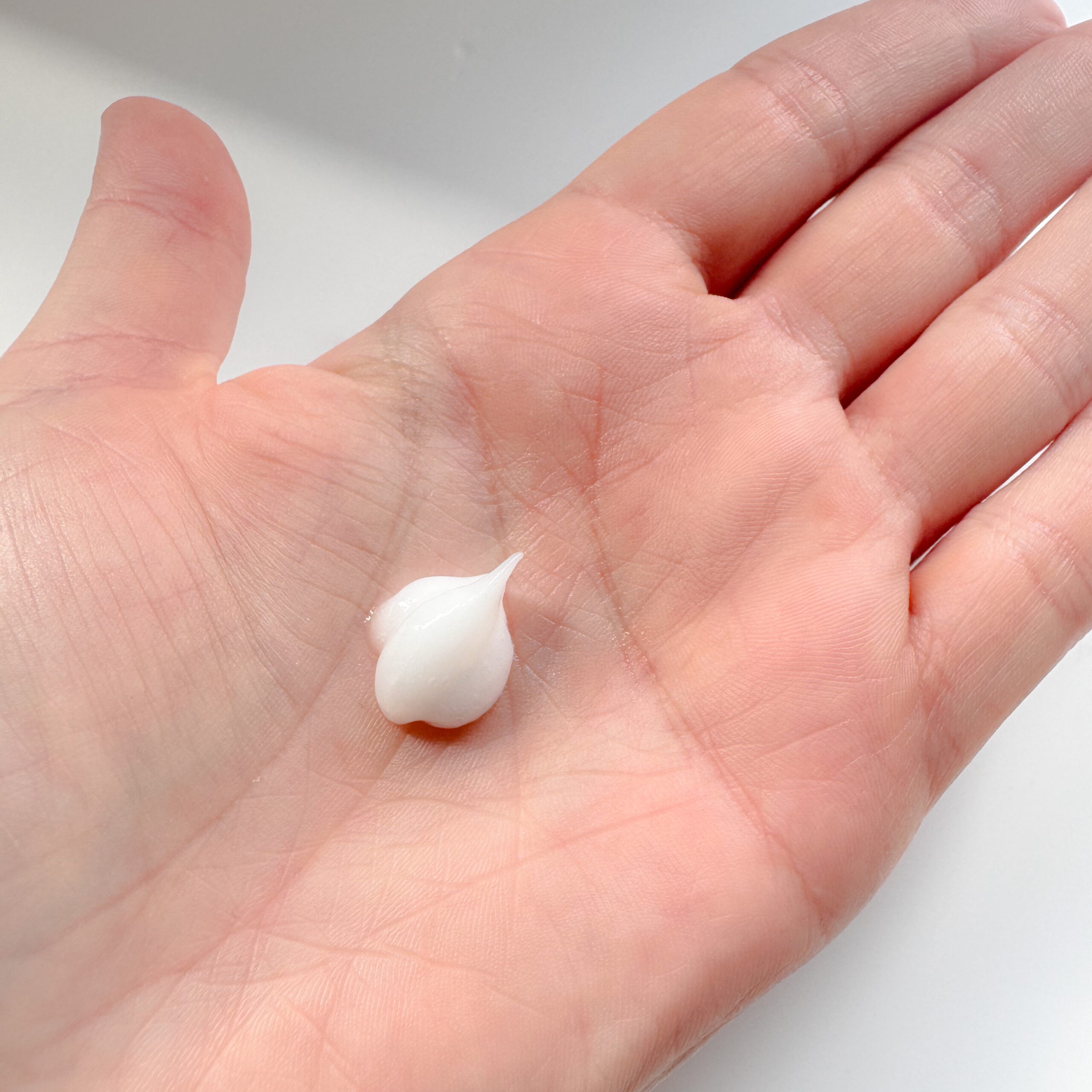
Let’s stir up some magic in the lab with today’s hot topic, tackling a cosmetic conundrum that frustrates even seasoned formulators: pilling in creams. You know the story. Your formula looks great, feels luxurious, absorbs well in tests. But then someone tells you they’ve experienced pilling during their skincare routine. After massaging the cream a bit too long on the face or after rubbing in a facial oil, some friends or clients report that it starts to ball up and roll off like eraser shavings. Not a good look. Not a good feel.
If you have ever asked yourself, why is my face cream pilling, this blog is for you. It is written for cosmetic formulators who want to understand the science behind pilling and, more importantly, how to stop skincare pilling at the formulation level. Pilling is often the result of an imbalanced interaction between gums, emulsifiers, actives, and layering behaviour. So let’s dive deep into film-forming dynamics, hydration layer interactions, emulsifier behaviour, and ingredient synergies that can make or break your cream’s performance.
What Is Pilling and Why Does It Matter?
Pilling refers to the formation of small, visible particles or rolls on the skin when a product is rubbed or layered, particularly when a second product such as a facial oil is applied on top. It is not just a sensory issue. It is a perceived quality failure, which translates into poor consumer satisfaction and lower repurchase rates.
It usually happens because the product takes too long to absorb or is not absorbed properly. Instead, it sits on the skin’s surface, and when the user tries to rub it in or layer another product, the fragile film breaks down and rolls off. In some cases, such as a face mask or an eye cream, this extra layer may be useful. However, it is usually not the desired effect in a face cream or serum.
The Emulsifier-to-Oil Ratio Mistake
One of the most overlooked yet frequent causes of pilling is an imbalanced emulsifier-to-oil ratio. Emulsifiers are designed to stabilise oil-in-water mixtures, but they also contribute to skin feel and the way the product forms a film. If you use more emulsifier than your oil phase requires, you may get a draggy, structured finish that flakes under minimal friction.
Film-Formers, Gums, and Hydration Layers
Of course, emulsifiers are not the only players. Film-formers like Saccharide Isomerate, Fucocert, and Inulin are designed to retain moisture by forming a water-holding matrix on the skin. Combine that with thickeners like guar gum, xanthan gum, or sclerotium gum, and you now have a multilayered film that can resist absorption.
That may sound like a benefit, but when too many film-formers stack up, they create a surface that holds water too well and breaks apart when touched or rubbed, especially when oils are layered afterwards. The oil phase, being hydrophobic, disturbs the hydration network and physically rolls it off the skin.
Replacing Silicones: What Natural Alternatives Get Wrong
One major contributor to pilling in clean or silicone-free creams is the improper substitution of silicones with thick, poorly absorbing esters or waxy emollients. Silicones like Dimethicone or Cyclopentasiloxane reduce friction and create a breathable, flexible film that resists pilling when used in adequate amounts. Removing them without a smart replacement often results in drag and rigidity.
Natural alternatives like Coco-Caprylate or Neopentyl Glycol Diheptanoate can help restore slip, while esters like Isoamyl Laurate or Dicaprylyl Carbonate create lightweight glide. The key is testing slip, not just absorption.
Layering Compatibility: A Real-World Problem
In theory, all your ingredients work beautifully. In practice, most consumers layer products, and that is where things fall apart. A well-formulated cream can still pill if it is not compatible with what comes before or after it.
So it is not always about what is in your formula, but how your formula behaves with others. Testing your cream with standard layering sequences is essential if you want to understand how to stop skincare pilling in real use scenarios. Toner, serum, cream, oil is a common routine and should always be tested.
Ionic Behaviour and Ingredient Interference
Sometimes, ingredients are chemically compatible but physically disruptive. Emulsifiers and preservatives that carry a charge can interact with charged gums and hydration actives, weakening your emulsion film and affecting how it behaves on skin.
If your formula’s pH is close to the point where certain ingredients begin to change charge, you risk triggering electrostatic repulsion or weakening the film structure.
Always buffer your formula to a consistent pH and avoid stacking too many charged ingredients unless you are deliberately designing for them.
It’s Never Just One Thing: The Systemic Nature of Pilling
This is where many formulators get frustrated. They remove guar gum, but pilling persists. They switch emulsifiers, but it still happens. That is because pilling is rarely caused by a single ingredient. It is the result of how ingredients layer, film, absorb, and interact.
To truly fix pilling, you need to:
Reevaluate your emulsifier-to-oil ratio
Reduce or replace film-formers that do not synergise well
Choose humectants wisely
Avoid stacking multiple gums
Test for layering compatibility with oils and serums
How Manufacturing Impacts Pilling
Your manufacturing process can make or break a cream’s tendency to pill. The way you mix, shear, and cool your emulsion directly impacts emulsion stability and film formation.
Improper dispersion of thickeners like guar gum or carbomer can lead to clumping, creating uneven films on the skin that break apart under friction. Hydroxyethylcellulose creates a less flexible film than xanthan gum, increasing pilling risk during rubbing.
Sodium polyacrylate can leave a tacky surface that peels when layered with oils, especially if over-dispersed. High shear mixing can overwork gums and emulsifiers like glyceryl stearate citrate, breaking emulsion structure and increasing pilling risk.
Impact of Ingredient Particle Size and Dispersion
Poorly dispersed or oversized particles in face creams create uneven films that lead to pilling. Botanical powders like oat flour or clay can clump if not micronised, forming gritty films that flake under friction. Actives like zinc oxide or titanium dioxide can exacerbate pilling if particle sizes are too large and destabilise the emulsion.
Real-Life Fixes from the Lab
In our lab, we worked with several formulations that all experienced pilling. Each had slight emulsifier overload, multiple film-formers, and a mix of gums. By reducing emulsifier levels to match the oil phase and simplifying the gum system, texture and absorption improved immediately. The creams no longer pilled when oil was applied afterwards.
Teaching Consumers to Prevent Pilling
Even a perfectly formulated cream can pill if applied incorrectly. Educating consumers plays a role in how to stop skincare pilling. Recommend applying creams in thin, even layers and allowing time for absorption before layering oils or makeup.
Final Thoughts: Pilling Isn’t a Failure, It’s a Clue
If your cream pills, it is not the end of the road. It is a signal that something in the system is out of balance.
Understanding why your face cream is pilling allows you to refine absorption, improve skin feel, and align your formula with real user behaviour. Pilling issues reveal how emulsifiers, gums, actives, and films interact. Use that knowledge to create better products.
If you are serious about levelling up your cosmetic formulations, check out our ebooks.
https://www.mbcosmeticsacademy.com/product/cosmetic-labelling-guide/
Here’s to formulas that work and brands that thrive.
From My Lab to Yours,
Rose


Add comment