Formulating with AHA BHA PHA Benefits: How to Use Acids in Skincare Safely and Effectively
AHAs, BHAs and PHAs What Are Their Benefits?
Let’s stir up some magic in the lab with today’s hot topic: acids in skincare formulation and how to formulate with AHA, BHA and PHA benefits to create high-performing, safe and truly effective cosmetic products.
 Acids are some of the most powerful tools you can work with as a formulator. They are also some of the most misunderstood by brands trying to utilise them without understanding how the chemistry works.
For beauty founders and beginner formulators, acids often feel intimidating. Concerns around irritation, pH, compatibility and regulations can make them seem complex. But once you understand how they behave in a formula, formulating with AHA, BHA and PHA benefits becomes an incredibly precise and versatile process. By mastering their chemistry, you can comfortably deliver these compound advantages to your customers.
In this guide, we are going to break everything down in a way that makes sense so you can confidently design exfoliating skincare that performs beautifully, remains compliant and highlights your specific benefits.
Why Acids Are Used in Skincare Formulation?
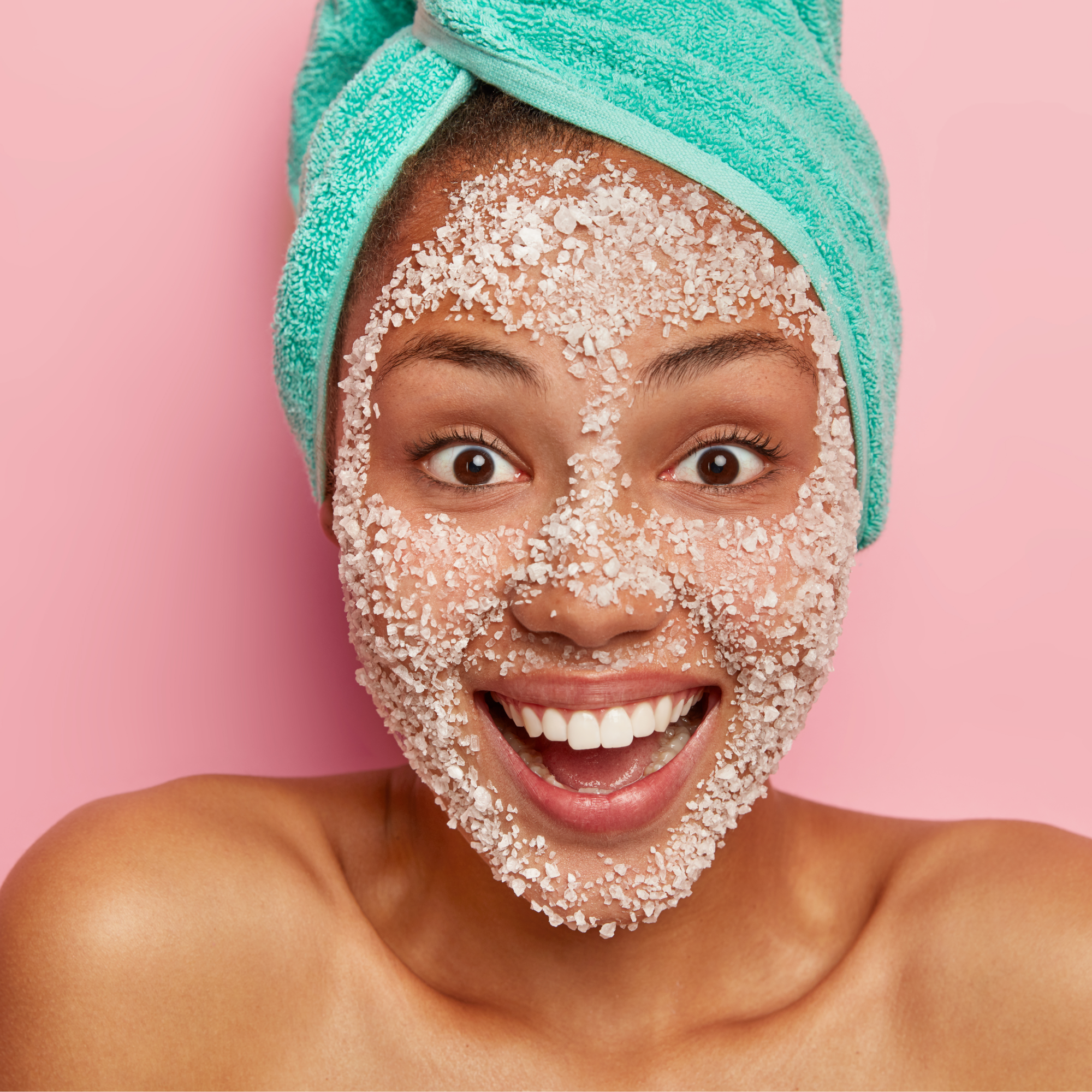
Acids are primarily used for exfoliation, but that word alone does not fully capture their impact. They work by helping to loosen the bonds between dead skin cells on the surface of the skin. This process accelerates cell turnover and reveals fresher, smoother skin underneath.
From a formulation and marketing perspective, understanding the benefits of AHAs, BHAs, PHAs, translates into visible results such as:
smoother skin texture
improved radiance
reduction in the appearance of fine lines
clearer-looking pores
more even skin tone
This is why acids are found in so many product types, including toners, serums, masks and even cleansers. Every product category offers a unique way to present the benefits of AHAs, BHAs and PHAs to your target market.
Understanding the Three Main Families: AHA, BHA and PHA
 Not all acids behave the same way. Choosing the right one depends on your target skin concern, your formulation type and your positioning to maximise your specific formulating with aha bha pha benefits.
AHA (Alpha Hydroxy Acids): Surface Renewal Experts
AHAs are water-soluble acids that work primarily on the surface of the skin. Common AHAs include glycolic acid, lactic acid and mandelic acid.
Glycolic acid has the smallest molecular size, which allows it to penetrate more easily and deliver stronger exfoliation. Lactic acid is slightly larger and more hydrating, making it more suitable for sensitive or dry skin types. Mandelic acid, with its larger structure, offers gentler exfoliation and is often preferred in beginner-friendly or acne-prone formulations.
AHAs are ideal for targeting:
dull skin
uneven tone
early signs of ageing
rough texture
BHA (Beta Hydroxy Acids): Oil-Soluble Clarifiers
The most common BHA in skincare is salicylic acid. Unlike AHAs, BHAs have more oil-affinity but still require water-soluble solvents to dissolve. However, their affinity allows them to better penetrate into pores and dissolve excess sebum.
This makes them particularly effective for:
oily skin
acne-prone skin
blackheads and congestion
From a formulation standpoint, capturing these oil-soluble formulating with aha bha pha benefits requires careful solubilisation and pH control to remain effective.
PHA (Polyhydroxy Acids): Gentle Multi-Taskers
PHAs, such as gluconolactone and lactobionic acid, are often described as the next generation of exfoliating acids. They have larger molecular structures, which means they penetrate the skin more slowly and are generally less irritating.
PHAs also bring additional formulating with aha bha pha benefits, such as hydration support, antioxidant properties and improved skin barrier function. With that perspective, they are excellent for sensitive skin, compromised skin barriers and beginner-friendly formulations where you want to offer formulating with aha bha pha benefits without the traditional side effects of irritation.
pH: The Most Critical Factor in Acid Formulation
If there is one concept you need to master when looking at formulating with aha bha pha benefits, it is pH. The effectiveness of acids depends on how much of the acid is in its “free acid” form, which is directly influenced by pH.
Lower pH means higher activity, but also higher irritation potential. Higher pH means reduced activity, but improved skin tolerance.
This is where formulation becomes a balancing act. For most cosmetic applications targeting core formulating with aha bha pha benefits:
AHA products typically sit between pH 3.5 and 4.5
BHA systems are often effective around pH 3 to 4
PHAs can work at slightly higher pH levels (up to 5.5) which are more skin-friendly
The key is to design a formula that delivers results while remaining comfortable and safe for the end user to experience the full range of your formulating with aha bha pha benefits.
Formulation Considerations: What You Need to Get Right
Working with acids is not just about adding them into a formula. Several factors must be carefully controlled to keep your formulating with aha bha pha benefits stable.
Compatibility with Other Ingredients: Acids can interact with other ingredients in ways that affect stability or performance. For example, certain polymers and gelling agents are sensitive to low pH environments. Electrolytes can also impact viscosity and stability, especially in acid-containing gels (Remember our article on electrolytes in skincare).
Solubility and Delivery: Water-soluble acids like AHAs are easier to incorporate into aqueous systems. Salicylic acid, however, requires proper solubilisation using solvents or solubilising systems to ensure even distribution and efficacy, as poor solubilisation leads to instability and inconsistent performance of your formulating with aha bha pha benefits.
Preservation Strategy: Low pH can support preservation, but it does not replace a proper preservative system. You still need to select a compatible preservative, ensure it works within your pH range and test its efficacy in the final formula.
Packaging Considerations: Acid formulations can be sensitive to light and air. Airless packaging is often preferred in order to maintain stability, reduce oxidation and improve product lifespan. That is a general rule of thumb for all cosmetic products, to be honest.
Sensory Considerations: Making Acids Feel Good on the Skin
One of the biggest challenges with acid formulations is balancing raw efficacy with consumer user experience. Acid products can feel sticky, irritating or drying.
To improve sensory feel, you can:
include humectants such as glycerin or propanediol
add soothing agents like panthenol or allantoin
use film-formers to reduce irritation perception
The goal is to create a product that delivers results without compromising comfort, so the consumer enjoys the actual application process of your formulation with aha bha pha benefits.
Combining Acids: What Works and What to Avoid

Combining acids can enhance performance, but it must be done carefully. AHA and BHA combinations are common in exfoliating treatments, offering both surface and pore-level action. PHAs can be added to create a gentler, more balanced formulation.
However, layering too many acids or combining them with other strong actives can increase irritation risk. Be cautious when combining acids with:
retinoids
high levels of vitamin C in its acidic form
strong exfoliating enzymes
The key is to design synergy, not overload, so you do not cancel out your desired goal.
Regulatory and Safety Considerations (EU Focus)
 In the European Union, acids are regulated under Cosmetic Regulation (EC) No 1223/2009. Certain acids, such as salicylic acid, have specific concentration limits depending on the product type. Please make sure you carefully read supplier information and the regulation of your country to respect dermal limits.
You must also consider:
target user group
area of application
frequency of use
And most importantly, avoid positioning your product as a medical treatment and ensure all claims remain within cosmetic scope.
Final Thoughts: Mastering Acids Is a Competitive Advantage
Securing your formula with the benefits of acids opens the door to some of the most effective skincare products on the market. When done correctly, acids can transform skin appearance while maintaining comfort and safety.
The key is understanding how they work, respecting their chemistry and designing your formula with intention.
Acids are not just functional ingredients. They are also strong marketing drivers. A glycolic acid toner may position your brand as results-driven.
A PHA serum may position it as gentle and barrier-focused. A multi-acid treatment may communicate high performance and expertise.
If you are looking to develop acid-based products that are both high-performing and compliant, my lab can support you from concept to final production, ensuring your formulas meet both consumer expectations and regulatory standards to deliver real benefits.
I want to speak to someone about developing a custom formula?
Contact us here by email and tell us exactly what it is you are looking for, from here we can help you design your formula.
Here’s to formulas that work and brands that thrive!
From my lab to yours,
RoseRose



Add comment