Is Your Beauty Brand Retail Ready? 15-Point Checklist
Is Your Beauty Brand Retail Ready? The 15-Point Checklist Before Approaching Stores
Let’s stir up some magic in the lab with today’s hot topic: Is Your Beauty Brand Retail Ready?
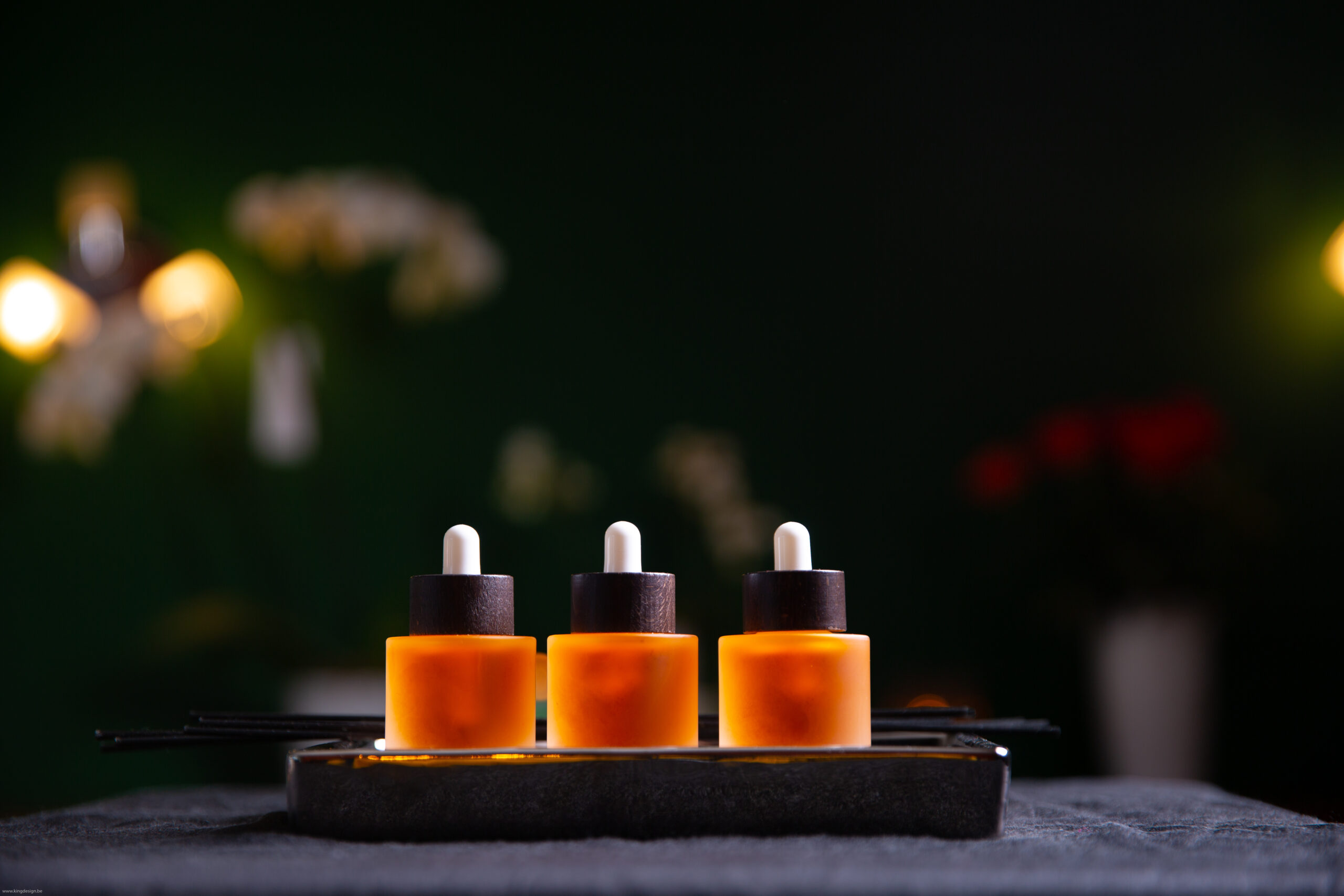
Picture this: you’re walking through your favourite beauty boutique when you suddenly imagine your very own skincare products sitting beautifully on its shelves. Your moisturiser next to established brands, your facial serum catching customers’ attention, and perhaps even a little display dedicated to your collection.
Exciting, isn’t it?
But before you start emailing every beauty retailer in town, there’s an important question to answer: is your cosmetic brand actually ready to sell through retail stores?
Because here’s something many new beauty entrepreneurs discover the hard way: having a beautiful product doesn’t automatically mean you have a retail-ready business.
Retailers need products that customers want to purchase, but they also need reliable suppliers, attractive margins, compliant packaging and confidence that you can fulfil orders.
So, grab your coffee, because we’re going through 15 essential checks to complete before approaching your first retail buyer!
Part 1: Are Your Products Ready for Retail?
1. Your Cosmetic Formulations Are Finalised
First things first: your products should be ready for commercial sale, not still undergoing development. That means your formulations are finalised, their performance has been evaluated, and you’re confident they deliver the intended cosmetic benefits. Retail readiness begins with products you can consistently reproduce and confidently stand behind.
2. Your Products Meet Regulatory Requirements
This one is non-negotiable! Stability testing, packaging compatibility testing preservative efficacy testing, claims substantiation, compliant labelling, and wherever applicable: CPSR, PIF, product notifications.
3. Your Packaging Is Retail-Ready
Imagine a retailer receiving your products and discovering that the labels peel off, the pumps leak or the packaging becomes damaged during transport. Not exactly the first impression we’re aiming for!
Your cosmetic packaging should be compatible with the formulation, sufficiently durable for distribution and appropriate for display. And most importantly, your packaging supplier can scale with you!
4. Your Product Range Makes Commercial Sense
You don’t necessarily need ten different skincare products to enter retail. In fact, starting with a small, carefully selected range can make your brand easier for retailers to understand. But each product should have a clear purpose and a reason to exist within your collection.
Part 2: Are Your Finances Ready for Wholesale?
5. You’ve Calculated Your Wholesale Prices
Selling directly to customers and selling through retailers are two different business models. When you sell through a store, the retailer needs sufficient margin to cover its operating costs and generate profit. So, your wholesale price must still cover manufacturing, packaging, relevant logistics and other costs while contributing to your business’s profit.
6. You Understand Your True Product Costs
Your manufacturing invoice isn’t necessarily your complete product cost. You may also need to account for inbound freight, customs charges where applicable, warehousing, damaged products and other expenses associated with preparing inventory for sale.
Then consider the additional costs of supplying retailers. Will you pay for shipping? Are promotional discounts expected? Could there be returns or other deductions? Calculate your margins using realistic assumptions.
7. You Have Enough Cash to Finance Retail Orders
Imagine receiving your first purchase order for 300 moisturisers. Wonderful! But your manufacturer requires payment before production, while your retailer expects payment terms after delivery. Can your business finance that gap?
Part 3: Can Your Business Supply Retailers Reliably?
8. You Know Your Manufacturing Capacity
Retailers need suppliers they can depend on. Before pitching, ask your cosmetic manufacturer about production lead times, minimum manufacturing quantities and the process for reordering. If a store sells through its initial inventory, how quickly can you replenish it? And what happens if several retailers reorder simultaneously? You don’t need unlimited production capacity, but you should understand your manufacturing arrangements and communicate realistic delivery expectations.
9. You’ve Established Wholesale Ordering Conditions
A retailer interested in your brand will quickly have practical questions. What’s the minimum opening order? Can they reorder individual products? What are your delivery charges? Which payment terms apply? Decide which conditions work for your business before negotiations begin.
10. Your Products Are Ready for Retail Logistics
Manufacturing beautiful cosmetics is one thing. Delivering them safely to stores is another! Consider how products will be packed, protected and transported. Do you have appropriate shipping cartons? Can you identify individual products and batches? Do you have a process for handling damaged deliveries?
Part 4: Can You Convince a Retail Buyer?
11. You Know Exactly Which Stores Fit Your Brand
Please don’t send the same generic email to 200 retailers! A luxury skincare boutique, an independent pharmacy and a discount beauty chain have very different customers and purchasing expectations.
Research potential retail partners carefully. Visit their stores, explore their existing product ranges and examine their price positioning. Ask yourself whether your products genuinely complement their assortment.
12. You Can Explain Why Customers Will Buy Your Products
Retail buyers aren’t simply purchasing your passion for skincare. They’re evaluating whether your products are likely to sell. ou don’t need enormous sales figures, but you should understand what makes your products commercially appealing.
13. You’ve Prepared a Professional Wholesale Catalogue
Your wholesale catalogue should make a buyer’s job easier. Include clear product photographs, concise descriptions, recommended retail prices, wholesale prices and relevant ordering information. Buyers should also be able to identify product sizes, available variants, product identifiers and your contact details.
14. You Have a Retail Sales Pitch Ready
Now comes the exciting part: introducing your beauty brand! Your pitch should explain why your products deserve space on a retailer’s shelves.
Start with the retailer’s customers, not your entire entrepreneurial journey. Then introduce your relevant products, their positioning and the commercial opportunity.
Keep your initial email concise and personalised. If the buyer expresses interest, you can share your wholesale catalogue, product samples and additional information.
15. You Have a Plan to Help Retailers Sell Your Products
Here’s one final question that can make a real difference: what happens after the retailer places an order? Your work doesn’t end when your products arrive on their shelves.
Consider how you’ll support product discovery and customer education. Could you provide product information cards, staff training materials, testers where appropriate or approved promotional visuals?
You might also announce new stockists through your website, email newsletter and social media channels. Retailers want products that sell, not inventory that sits untouched for months.
So, Is Your Beauty Brand Retail Ready?
You’ve made it through all 15 checks! Now comes the important part: evaluating your answers.
If you can confidently address every point, congratulations! You may be ready to begin approaching suitable retailers.
If several areas still need work, don’t panic. Perhaps your products are ready, but your wholesale pricing needs adjusting. Maybe your margins are healthy, but you haven’t established reliable reordering arrangements.
Identify your biggest gaps and address them before investing significant time in retail outreach.
And remember, retail distribution isn’t automatically the next step for every cosmetic brand. Sometimes improving direct-to-consumer sales, strengthening customer retention or increasing manufacturing efficiency is a better immediate priority.
At MB Cosmetics Academy, we help aspiring cosmetic formulators and beauty entrepreneurs understand both the science of cosmetic formulation and the business decisions involved in building sustainable beauty brands.
Because launching a cosmetic brand is exciting, but learning how to grow it profitably is what helps turn your beautiful products into a lasting business.
Your dream of seeing your skincare products on store shelves is absolutely worth pursuing. Just make sure your business is ready to support that dream!
Here’s to formulas that work and brands that thrive!
From my lab to yours,
Rose

Add comment