
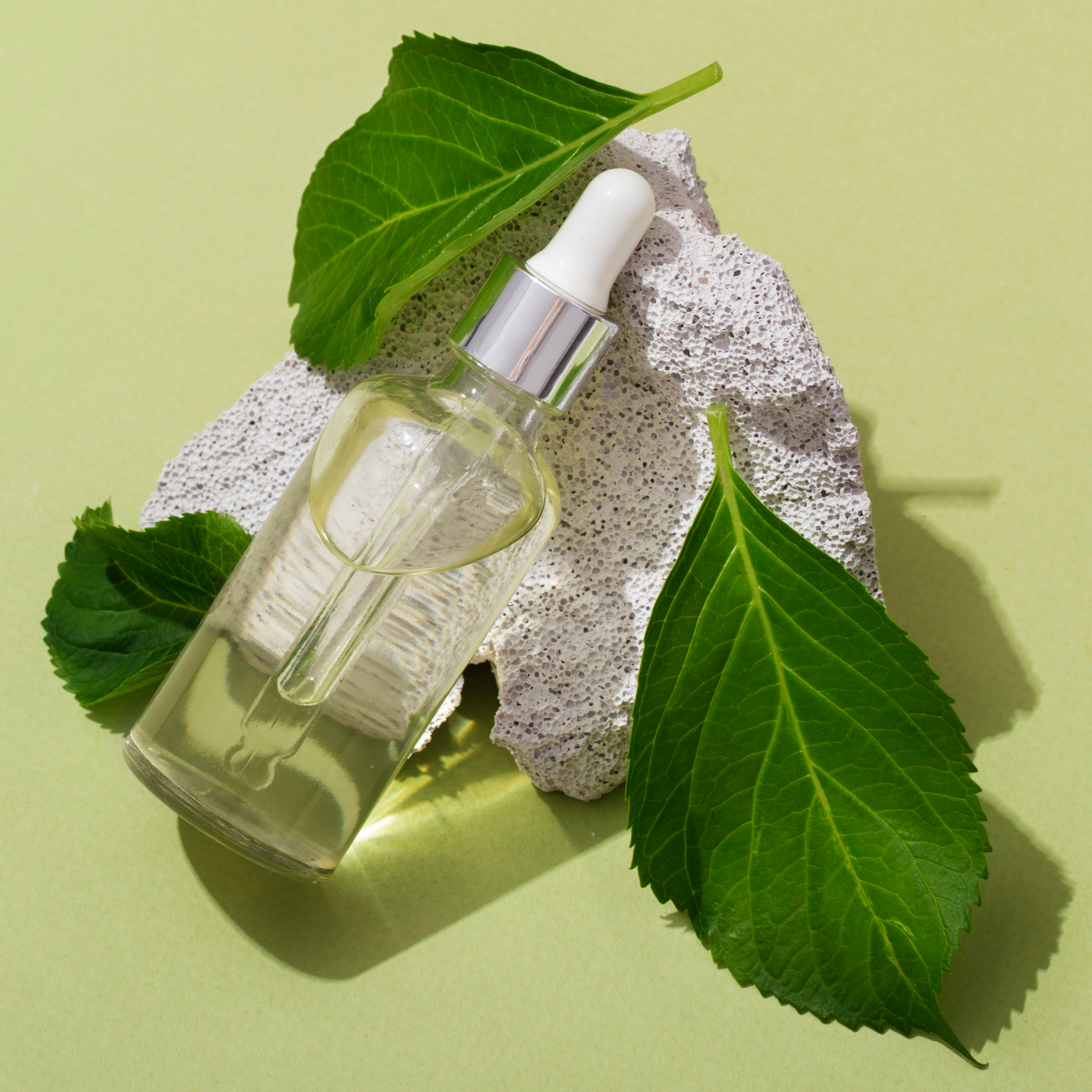
Creating A Skin Feel Map For Your Beauty Brand
Let’s stir up some magic in the lab with today’s hot topic: how to create a skin feel map as part of your formulation strategy for your beauty brand!
If your brand were a texture, what would it be? Featherweight glide that disappears under SPF, cloud like cushion that whispers comfort, or a soft matte finish that controls glow without looking flat. Skin feel is not an extra detail. It is your brand’s fingerprint in the customer’s hand. This article shows you how to build a skin feel map, how ingredients move your texture on that map and how to protect that signature as you scale.
The Three Axes Of Your Skin Feel Map
You can make skin feel very complicated or very simple. I personally choose to rely on three main axes: slip, cushion, finish.
Slip is what happens in the first five seconds. It is how easily the product spreads when you start applying it.
Cushion is the compressible body you feel during massage, usually from about thirty to sixty seconds. It is that cloud like resistance that makes a cream feel plush or watery.
Finish is the surface result after the product has set, usually around one to two minutes. It runs from dewy through satin to soft matte, both in how it looks and how it feels when you touch the skin.
You can add extra notes such as tack time, residue after two minutes or pilling resistance when layered with SPF, but if you get slip, cushion and finish right, you already have a strong skin feel map.
How Ingredients Move You Around The Skin Feel Map
Once you have a target skin feel map, ingredients become your tools for moving textures into the right zone.
Esters: Fine Tuning Slip And Shine
Ester oils are the quickest way to control glide and gloss in a formula. Coco caprylate or coco caprylate/caprate gives silky slip with a dry, elegant touch. It lifts the slip axis without making the skin greasy. C12 15 alkyl benzoate adds clean glide and naturally pulls the finish toward satin instead of high shine. Isoamyl laurate and isoamyl cocoate offer a light, modern, dry touch that works well in “quick set” identities. Diheptyl succinate softens the feel of richer oils and adds polished slip. If your brand wants a clean, modern, fast absorbing identity, esters do most of the visible work on your skin feel map.
Oils And Alkanes: Building Cushion And Comfort
Triglyceride oils, squalane and bio based alkanes decide how much cushion and playtime you have. Squalane anchors a satin dewy finish without thickness. Hemisqualane boosts early slip and shortens set time. Meadowfoam and jojoba are oxidation resistant and give smooth cushion with low greasiness. Richer oils such as avocado or sweet almond increase cushion and a sense of nourishment. A little can be beautiful in a comfort led brand, too much can slow down set time and push you toward a glowy or oily finish. Think of esters as your first wave on the skin and oils as the second wave that stays present as the product is massaged in.
Structure Ingredients: Waxes, Fatty Alcohols And Butters
Structure ingredients give creams and balms their body and influence both cushion and finish. Cetearyl alcohol and cetyl alcohol create creamy body and elegant, substantial slip. Plant waxes provide a skeleton and a protective film, which can be helpful in barrier care and balms. Overused, they can introduce drag or waxy shine. Butters like shea add bloom and comfort, but if the percentage is too high, they can push the finish to feel heavy or even grainy. Use just enough structure to support your architecture and packaging. If you add too much, you lose the signature glide on your skin feel map.
Powders And Silica: Soft Matte Without Chalk
To land a soft matte finish that still feels premium, you need the right kind of particle support. Modified starches and modern cosmetic powders help reduce surface slip and absorb excess glow. Silica and silica silylate can thicken oil phases into thin gels that spread easily and then set neatly on the skin. Mica and soft focus fillers provide optical blur while keeping friction low (especially helpful in primers). These materials shift your finish from dewy to soft matte, depending on level. Tiny adjustments make a big difference, so move in small steps and keep testing.
Water Phase Polymers And Lamellar Systems
Cushion is not only an oil story. A well designed water phase can create that bouncy, “cloud cream” feeling customers love. Lamellar emulsifier systems hold water close to the skin and often feel plush while still setting clean. Hydrating polymers and humectants such as sodium hyaluronate, glycerin and modern natural polymers can be balanced to give a wet cushion that dries to a non tacky surface.
Three Simple Skin Feel Archetypes For Your Brand
Most brands sit mainly in one region of the skin feel map and then make small edits by product type or season. Here are three easy archetypes you can use as starting points.
A slippery satin brand feels light, spreads quickly and sets in under a minute with a clean, soft touch. Esters lead, squalane supports, powders gently control gloss and the base is often a light water cream.
A cushion comfort brand focuses on self care and softness. Textures feel plush during massage and leave a soft veil after one to two minutes. Lamellar bases, mid polarity esters and stable triglycerides play together here.
A soft matte brand delivers controlled glow and smooth focus skin. Products spread easily, set quickly and reduce surface shine without tightness. This usually combines airy powders, dry touch esters, very light oils and non tacky water phase polymers.
Once you choose your archetype, every serum and moisturiser can be tuned to echo that same sensorial grammar, so the whole routine feels like one family (or you can choose to explore different archetypes based on skin types and needs).
My last thoughts for the week
Creating a skin feel map for your beauty brand is one of the most powerful ways to make your products memorable and consistent. Slip, cushion and finish become clear design targets instead of vague wishes. Esters shape the first glide, oils and alkanes bring body, structure ingredients hold the architecture, powders control light and lamellar or polymer systems add that modern, bouncy comfort.
When you map, measure and document this once, you can repeat it across every new formula, every new batch and every new launch. Your customers will start to recognise your brand with their eyes closed, simply from how each texture feels in their hands.
As always, remember that every formula and product you create must still meet the cosmetic regulations and labelling rules in the countries where you sell.
If you would like help building a skin feel map for your brand, design a signature profile so your whole range speaks one, beautiful sensorial language, check out our Cosmetic Formulator’s Handbook!
Here’s to formulas that work and brands that thrive!
From my lab to yours,
Rose
Add comment