
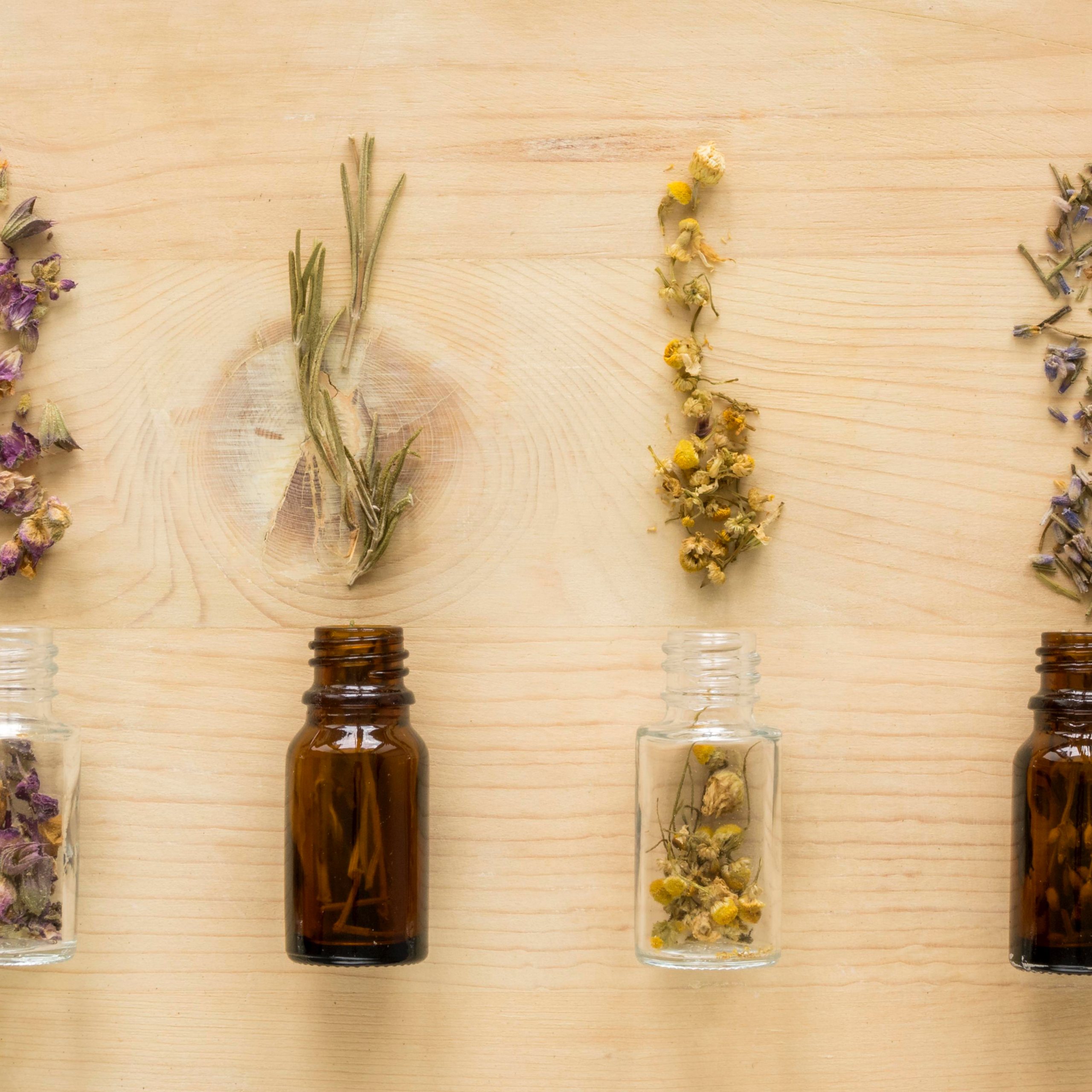
How to Layer Essential Oils in Skincare: A Complete Guide to Cohesive, Luxurious Scents
Let’s stir up some magic in the lab with today’s hot topic: how to layer essential oils into a skincare line without making it smell chaotic!
Creating a signature scent for your skincare line requires more than adding a few essential oils and hoping for the best. A successful fragrance profile is deliberate, layered and thoughtfully designed. When you master essential oil blending for skincare, you build products that smell elegant, cohesive and instantly recognisable as part of the same collection. With this article, I hope to walk you through the basics of how to layer essential oils strategically so your skincare line feels polished rather than patchy.
Understanding Fragrance Architecture in Skincare Formulation
Essential oil blending for skincare is rooted in classic fragrance structure. Each aromatherapeutic material evaporates at a different rate, which means the way you layer them determines how the scent unfolds from the moment the product is opened to the moment it settles on the skin.
Base Notes: The Foundation That Grounds Your Entire Line
Base notes are slow to evaporate and sit at the core of your scent profile. They provide depth and help anchor the lighter notes above them. Oils such as vetiver, patchouli, benzoin, sandalwood and frankincense create warmth and longevity.
These heavier notes are particularly effective in products meant to stay on the skin longer, such as night creams, balms and rich body butters. They also help unify your line because they act as your olfactory anchor. When used consistently and subtly, base notes create that recognisable brand identity customers associate with premium formulations.
Middle Notes: The Heart That Shapes the Character of Your Blend
Middle notes create balance between top and base notes. They add roundness, harmony and complexity. Lavender, geranium, rose, clary sage and even softer spicy notes like cardamom work beautifully here.
These notes shine in moisturisers, serums and emulsions where the scent will linger as the product absorbs. The right middle note can pull your entire blend together, making the fragrance feel intentional rather than improvised. Middle notes also give you room to shape the personality of your range, whether elegant, botanical, herbal, soft or romantic.
Top Notes: The First Impression That Captures Attention
Top notes are bright, uplifting and volatile. They evaporate quickly but create the immediate impact customers notice when they open a product. Citrus oils such as bergamot, lemon and grapefruit, along with fresh herbals like peppermint or eucalyptus, make excellent top notes.
These work especially well in cleansers, toners and facial mists where a fresh burst of aroma enhances the product experience. In essential oil blending for skincare, top notes should feel like an invitation into the rest of the scent journey.
Avoiding Clashes Through Smarter Note Pairing
Even skilled formulators sometimes mix oils that do not blend gracefully. Understanding which aroma families harmonise helps you create cleaner, more professional fragrances across your line.
Certain note families pair naturally, for example citrus with florals, woody with florals, herbal with spicy or citrus with herbal. These combinations create balanced, pleasant profiles.
Other families tend to compete. Heavy earthy oils can overshadow bright citrus, intense spices may overwhelm delicate florals and sweet notes can become cloying when paired with dense woods. When learning how to layer essential oils, your aim is always harmony. Balance the bold with the soft and avoid mixing families that naturally collide unless you have a strong fragrance design reason to do so.
Fixatives: The Secret to Long-Lasting Natural Fragrance
Natural scent profiles fade more quickly than synthetic fragrances. Fixatives extend longevity and help the scent evolve smoothly. Materials like benzoin, myrrh or vetiver hold top notes in place, slow evaporation and improve the overall sophistication of your blend.
A well-chosen fixative can transform the entire experience of your skincare line. Instead of your scent disappearing quickly, the fragrance develops gradually and gracefully across the day, offering a more luxurious impression.
Creating Cohesive Scent Families Across Your Product Line
A professional skincare brand rarely introduces wildly different scents across every product. Instead, the line feels unified through a shared aromatic identity. This is where essential oil blending for skincare becomes a strategic tool.
Select one dominant note or aromatic direction. It can be a family such as citrus for freshness, florals for softness or woods for grounding. This becomes your signature.
Once you have your core direction, build outward. A hero serum might feature bergamot and rosemary. The complementary cleanser could use lemon and rosemary to stay within the same family, while the moisturiser leans into rosemary with soft lavender to tie the range together. The scent does not need to be identical across all products, but it must feel related.
This approach strengthens brand recognition, elevates the sensory experience and helps customers associate your line with a consistent aromatic story.
As I say goodbye, let me leave you with my final thoughts
Layering essential oils is not about adding as many oils as you can. It is about intentional selection, understanding how fragrance structure works, and letting your brand identity guide your choices. When applied thoughtfully, essential oil blending for skincare transforms your range into something memorable, cohesive and luxurious.
Reminder: When formulating with essential oils, always check IFRA restrictions, allergen declaration requirements and applicable cosmetic regulations in your target market.
Here’s to formulas that work and brands that thrive!
From my lab to yours,
Rose






Add comment