
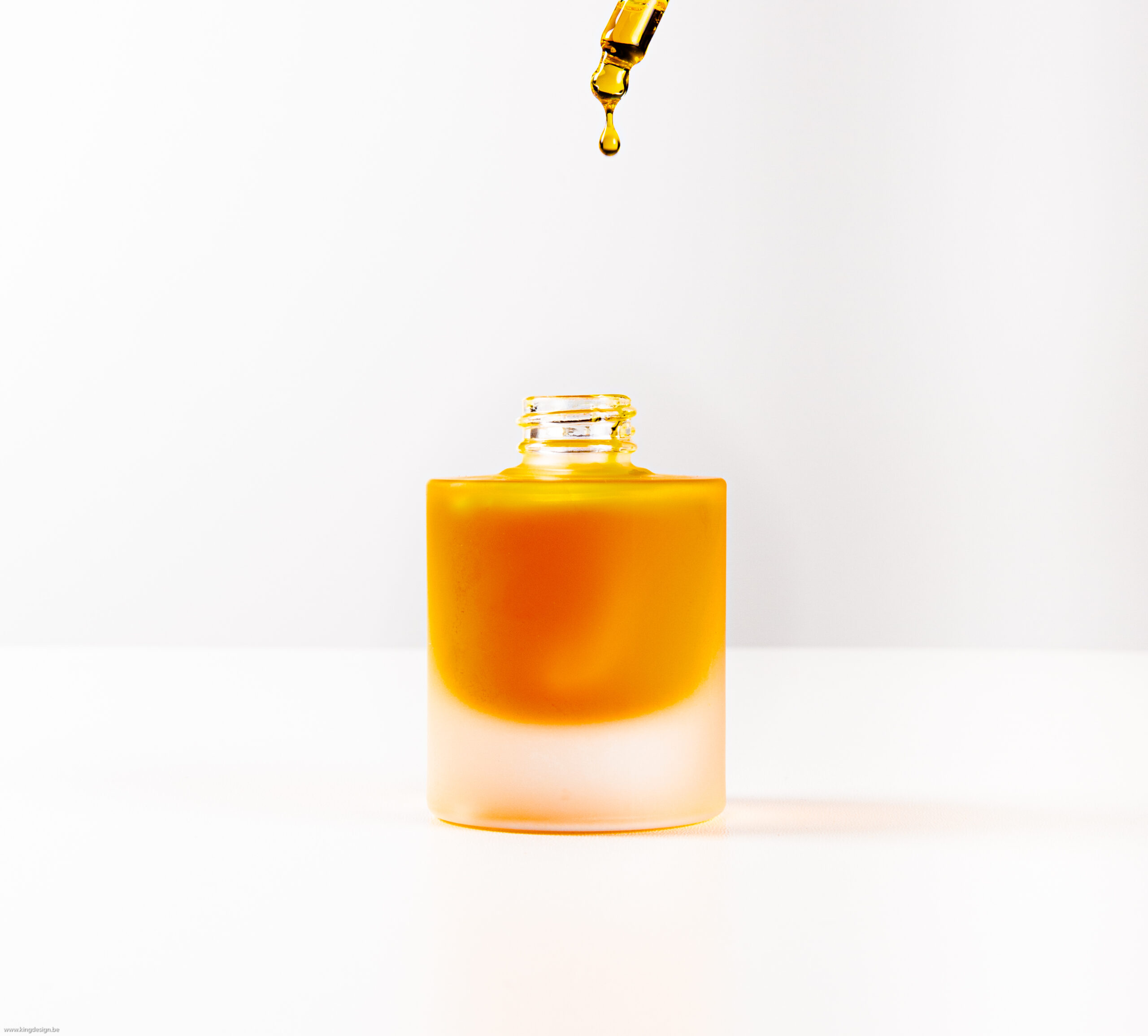
Fast Absorbing Facial Oils: How To Formulate Lightweight Luxury Without Grease
Let’s stir up some magic in the lab with today’s hot topic: how to create a fast absorbing facial oil that feels luxurious, glides beautifully and never leaves a greasy film behind.
A beautiful facial oil feels intentional from the very first drop. It glides, it softens and it settles to a velvety sheen that makes skin look rested rather than shiny. That experience is never an accident. It is the result of a well designed oil phase that balances polarity, volatility, structure and stability.
In my lab, I help founders create fast absorbing facial oils that convert on first use yet behave perfectly through shelf life and real bathrooms. This guide shows you how to build that kind of formula, from the first sketch of your oil cascade to the final decision about packaging and claims, with SEO friendly clarity for anyone searching how to formulate a fast absorbing facial oil.
What “Fast Absorbing” Really Means On Skin
Customers use the word absorb for what they feel on the surface. In formulation terms, we are managing three linked ideas: spreading, evaporation and film formation.
A fast absorbing facial oil uses a first wave that spreads quickly so application feels frictionless. A second wave carries actives and adds slip without drag. A final anchor sets the finish so the skin feels conditioned but not greasy.
If the fast fraction flashes off without support you get tightness. If the anchor dominates you get residue and makeup rolling. The art of a good fast absorbing facial oil lives in the ratios between those waves.
Your Compass: Oil Polarity And Volatility
Every emollient sits somewhere on two scales: how polar it is and how quickly it leaves or sets on skin. Understanding these two dimensions is the shortcut to designing a fast absorbing facial oil instead of guessing.
Low polarity and higher volatility gives instant glide and quick set. Think C13-15 alkanes such as hemisqualane from sugarcane, short isoalkanes or light silicone alternatives.
Mid polarity esters like coco caprylate/caprate, C12-15 alkyl benzoate or diheptyl succinate add elegant slip and solvency for lipophilic actives and fragrance.
Higher polarity triglycerides and long chain esters such as jojoba, olive squalane and meadowfoam bring cushion and lasting comfort.
Design the oil phase as a cascade across these groups. The first component gives speed, the second gives polish, the third gives that soft after feel people describe as skin like. This is how you move from a greasy blend to a truly fast absorbing facial oil.
Build The Blend On Purpose, Not Habit
Start with the job and the audience. Daily daytime face oils that layer under SPF need low residue and fast set. Evening facial oils can sit a touch richer yet must still feel breathable and non occlusive. Reactive or congestion prone skin prefers a cleaner cascade and breathable film formers. Very dry skin prefers more substantivity with lipids that support the barrier.
Sketch three test blends that hit different points on the finish: one weightless, one balanced, one plush. Keep actives constant while you tune the emollients. This isolates feel from function and saves weeks of trial and error when you are formulating facial oils for different skin types, needs and concerns.
Botanical Esters: The Best Friends Of A Fast Absorbing Facial Oil
Esters are the precision tools of modern facial oils. They are made by reacting fatty acids with alcohols to produce emollients with targeted sensory profiles.
Coco caprylate/caprate reads like a natural silicone, with silky slip and very low greasiness. C12-15 alkyl benzoate is a classic for shine control and solvency. Isoamyl laurate and isoamyl cocoate deliver dry touch from bio based feedstocks. Diheptyl succinate is a natural, biodegradable silicone alternative.
These esters also help solubilise fragrance traces and lipophilic actives. Use esters to do three jobs at once: speed up application, control gloss and keep difficult passengers truly in the phase. This is one of the easiest ways to upgrade any basic oil blend into a premium fast absorbing facial oil.
Choose Your Backbone Oils For Stability First
The backbone of your fast absorbing facial oil should be oxidatively stable so the scent and colour stay true for months. Squalane, jojoba and meadowfoam are champions here. Caprylic/capric triglyceride adds neutrality and glide without heaviness.
Then add a small proportion of high value botanicals for story and support. Rosehip, prickly pear, evening primrose and blackcurrant seed are beautiful but rich in polyunsaturated fatty acids, so limit them and support with antioxidants. Customers will still smell and feel the romance without the rancidity risk.
A practical approach is to let robust lipids carry 70 to 90 percent of the blend and use the remaining 10 to 30 percent for character oils and esters that tune feel.
Light Thickeners That Elevate Texture
Pure oils can feel runny and wild on skin. A whisper of structure gives control, reduces drip and makes a drop feel more like a serum. That shift in texture instantly makes your fast absorbing facial oil feel more premium.
Choose thickeners that keep clarity and elegance. Silica silica dimethyl silylate (synthetic) creates a thixotropic oil gel that spreads then sets neat. Viscolid MB (natural) gives cushion and a sensorial bloom. Polyamide-3 (synthetic) builds a crystal clear gel with satin slip. Tiny doses of Glyceryl Dibehenate can lend body and improve spread without waxiness.
Use these with restraint. You are not making a balm. You are polishing the flow.
Oxidation Control Is Non Negotiable
Rancidity is the enemy of elegance in any facial oil, and especially in a fast absorbing facial oil where customers are paying for a clean, refined experience.
Build defence into the formula and the pack. Select stable lipids first. Add an antioxidant pair such as mixed tocopherols or rosemary extract. Keep peroxide values low at intake and reject lots that arrive near their own shelf life.
Then choose a protective pack. Opaque or tinted glass, tight seals, small headspace and a pump or controlled orifice often work better than an always open dropper.
Fragrance In A Fast Absorbing Facial Oil
Facial oils do not need heavy perfume. A fast absorbing facial oil works best with a light, translucent scent that does not fight with skincare or fragrance worn on top.
If you choose scent, keep the load low and align with the correct IFRA category. Request extended allergen statements early so there is space on labels to name allergens where thresholds are met. Avoid phototoxic citrus in leave on face products. For reactive audiences, fragrance free is a better option. The texture and finish will provide the sensorial pleasure.
Stability Work That Matters For Facial Oils
Stability for a fast absorbing facial oil is less about emulsion break and more about oxidation, clarity and packaging performance.
Accelerated oxidation at 40 to 45 °C will tell you quickly if the antioxidant system is adequate. Light exposure on your final packaging confirms whether tinting is enough. Cold storage reveals whether waxes or saturated fractions crystallise and create seediness.
Ingredient Shortlist Worth Mastering
If you want a practical study list for lightweight, fast absorbing facial oils, learn the feel and behaviour of hemisqualane, squalane, jojoba, meadowfoam, caprylic/capric triglyceride, coco caprylate/caprate, C12-15 alkyl benzoate, isoamyl laurate, diheptyl succinate, silica silylate, dextrin palmitate, polyamide-3, mixed tocopherols and rosemary extract standardised to carnosic acid.
With those alone you can build dozens of profiles that all read premium and absorb cleanly on the skin.
Let me leave you with my final thoughts for the week
A fast absorbing facial oil is a system, not just a shopping list of pretty botanicals. When you design each link in that chain, the first drop convinces, the second becomes a habit and the bottle empties for the right reason.
If you would like to learn how to design your oil cascade, screen esters for feel and compatibility, engineer a light thickener system, select the right botanical extracts, validate stability in the final packaging and prepare a regulation-ready file with clean labels and claims, check out our full cosmetic formulation e-book here. Or check out these three separate mini e-books about Compliance & Labelling, The Science of Skin & Hair, Creating Formulas.
Here’s to formulas that work and brands that thrive!
From my lab to yours,
Rose




Add comment