How to Make a Cosmetic Emulsion for Luxury Skin Care Formulations
Let’s stir up some magic in the lab today and dive straight into the art and science of emulsion design in cosmetic formulation. This article tackles the complex topic of how to make a cosmetic emulsion that creates luxury cream textures, captivates consumers, and elevates your skincare brand.
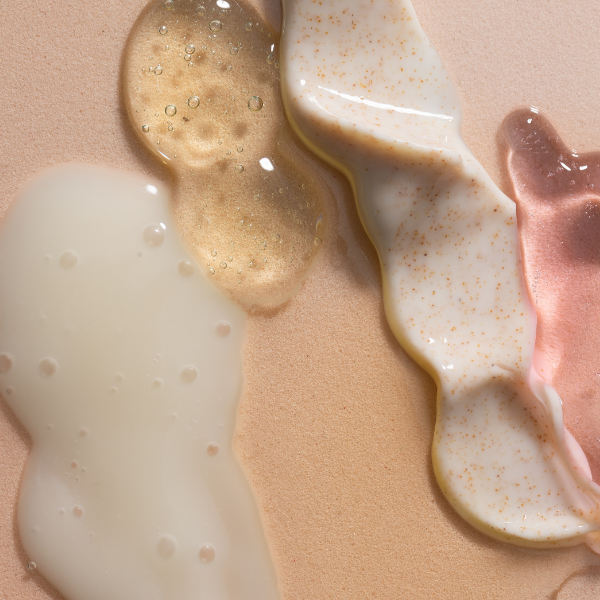
In 2025, texture is no longer just a sensory feature. It is your brand’s silent signature. That first glide across the skin is a promise of hydration, comfort, efficacy, and luxury. A silky, airy, whipped cream feels indulgent. A soft matte emulsion signals clarity and control. Texture speaks before any marketing claim is ever read, and it can be the difference between a one time trial and lifelong loyalty.
So what makes a cream feel truly luxurious? And how can indie brands and professional formulators intentionally design textures that perform, sell, and get remembered? Let’s unpack the science, emotion, and strategy behind next generation cream textures used in luxury skin care formulations.
Why Skin Feel Is More Than Just Luxury
Texture equals experience, and in a saturated market, experience is everything. The top reason customers repurchase skincare is often not just results, but how it feels. A well formulated cream communicates trust, quality, and brand positioning. It elevates your product, regardless of price point.
A heavy, greasy cream or one that pills under makeup contradicts every clean, clinical, or luxury message your branding might try to convey. A soft, silky cream that glides like a second skin builds credibility and keeps customers coming back.
Texture Is Strategic, Not Just Sensory
Think of texture as your product’s non verbal pitch. Before scent, before absorption, before active results, texture is what the customer engages with first.
Different textures tell different stories:
A cloud cream evokes softness, barrier support, and comfort.
A whipped mousse suggests indulgence and richness.
A soft matte finish speaks to oil control and modern minimalism.
A skin mimicking emulsion implies clinical performance and fast absorption.
In an era where TikTok and Instagram drive skincare discovery, visually satisfying and tactically indulgent textures are not just desirable. They are marketable.
Texture expectations also vary by demographic. Younger consumers may prefer water light gels or cloud creams that feel modern and weightless, while mature audiences often gravitate toward richer textures that support the skin barrier and provide an instant plumping effect. Regional preferences matter too, with Asian markets favouring fast absorbing milky emulsions and Northern Europe leaning toward thicker balms for winter skin. Aligning texture with your audience is essential when designing luxury skin care formulations.
The Science of Emulsion Design in Cosmetic Formulation
Understanding how to make a cosmetic emulsion starts with structure, not trendy ingredients. These are the core formulation factors that shape texture:
- Emulsion Type
Oil in water emulsions are light, fast absorbing, and easier to preserve, making them ideal for day creams.
Water in oil emulsions are richer, more occlusive, and better suited for cold weather or sunscreen creams.
- Oil to Water Ratio
Adjusting the oil and water phases allows you to create silky, velvety, lightweight, or cushioning skin feel when done correctly.
- Droplet Size
Smaller droplets create a smoother feel. High shear mixing or homogenisation produces finer emulsions that feel more elegant and absorb evenly.
- Emulsifier System
Your emulsifier defines the character of the cream. Liquid crystal systems, biomimetic blends, and PEG free emulsifiers all deliver different sensory results. The wrong system can feel waxy, sticky, or slow to absorb. Overuse can cause drag, while underuse compromises stability.
- Viscosity Modifiers and Stabilisers
Cetyl Alcohol, Xanthan Gum, Sclerotium Gum, and Hydroxyethylcellulose influence scoop, spread, and absorption. The goal is thickness without drag.
- Active Compatibility
Some actives alter texture entirely. Acids can thin emulsions, niacinamide can shift pH, and peptides may destabilise systems. Texture must be designed around the actives, not added after the fact.
Designing for Layering and Makeup Compatibility
A luxurious cream texture must work seamlessly with skincare layering to avoid pilling, a common issue in natural formulations. This can be resolved through proper formulation and testing.
Customers should also be encouraged to allow skincare products to absorb before applying makeup. This ensures your cream performs well under makeup, enhances daily routines, and reinforces trust in your brand.
The 2025 Texture Spectrum
This year has seen both innovation and reinvention in cream textures. Some of the most popular include:
Cloud creams that are whipped, soft, and fast absorbing
Soufflé creams that feel playful and indulgent
Soft matte creams designed for oily or combination skin
Skin mimicking emulsions that offer biomimetic performance for sensitive or dermocosmetic lines
Each texture serves a specific positioning within luxury skin care formulations.
Testing and Optimising Texture in the Lab
When developing cream textures, we test spreadability, pick up behaviour, absorption time, residual feel, packaging compatibility, temperature and pH stability, and preservation performance.
A cream must maintain its sensory appeal throughout transport, storage, and seasonal changes. Texture design is both a stability and sensorial exercise.
Preservative systems must also be assessed for their impact on viscosity and dry down. Some organic acid blends can thin emulsions or alter feel, which must be accounted for during development.
Scaling Up Without Losing Texture Integrity
Scaling from lab to manufacturing can alter texture if not managed carefully. Mixing times, cooling rates, equipment, and batch size all influence viscosity, colour, and scent. Natural ingredients can introduce variability that needs to be anticipated.
Understanding how to make a cosmetic emulsion at scale requires adapting your process while preserving the sensorial qualities that define your brand.
Consumer Testing for Texture Success
While large scale consumer testing may not always be feasible, gathering feedback from a small group over two weeks can reveal critical insights. Adjustments to ingredient levels or processing may be needed to achieve the intended texture and performance.
Texture as Brand Identity
Texture is your sensory strategy. It is how your customer experiences your brand. The softness, the glide, the finish. These sensations linger far longer than an ingredient list ever will.
Whether you are launching a new SKU, reformulating a hero cream, or entering new markets, texture remains your first impression and your lasting hook.
Regulatory Constraints That Shape Texture Design
Texture innovation must align with cosmetic regulations. Some emulsifiers, esters, or sensory enhancers are restricted under clean beauty standards or specific market regulations.
PEGs, silicones, and parabens face increasing scrutiny across multiple regions. Brands pursuing certifications such as COSMOS must navigate stricter ingredient limitations. Understanding regulatory boundaries ensures your texture strategy remains compliant as you scale luxury skin care formulations.
Want more scale up guidance? Explore our mini e book Cosmetic Business Secrets and Compliance for practical advice on building compliant, scalable cosmetic brands.
https://www.mbcosmeticsacademy.com/e-books/
Here’s to formulas that work and brands that thrive.
From My Lab to Yours,
Rose




Add comment