How High End Skincare Brands Create Ritual Through Texture, Scent and Delivery
Let’s stir up some magic in the lab with today’s hot topic on crafting a ritual for your customers. Discover how sensory branding in skincare, through texture, scent, and delivery, builds product loyalty and elevates your brand story.
In today’s beauty market, skincare isn’t just a routine, it’s a ritual. And the secret to turning a product into a ritual lies in how it feels, smells, and is delivered. This is where luxury skincare that actually works separates itself from products that are used once and forgotten.
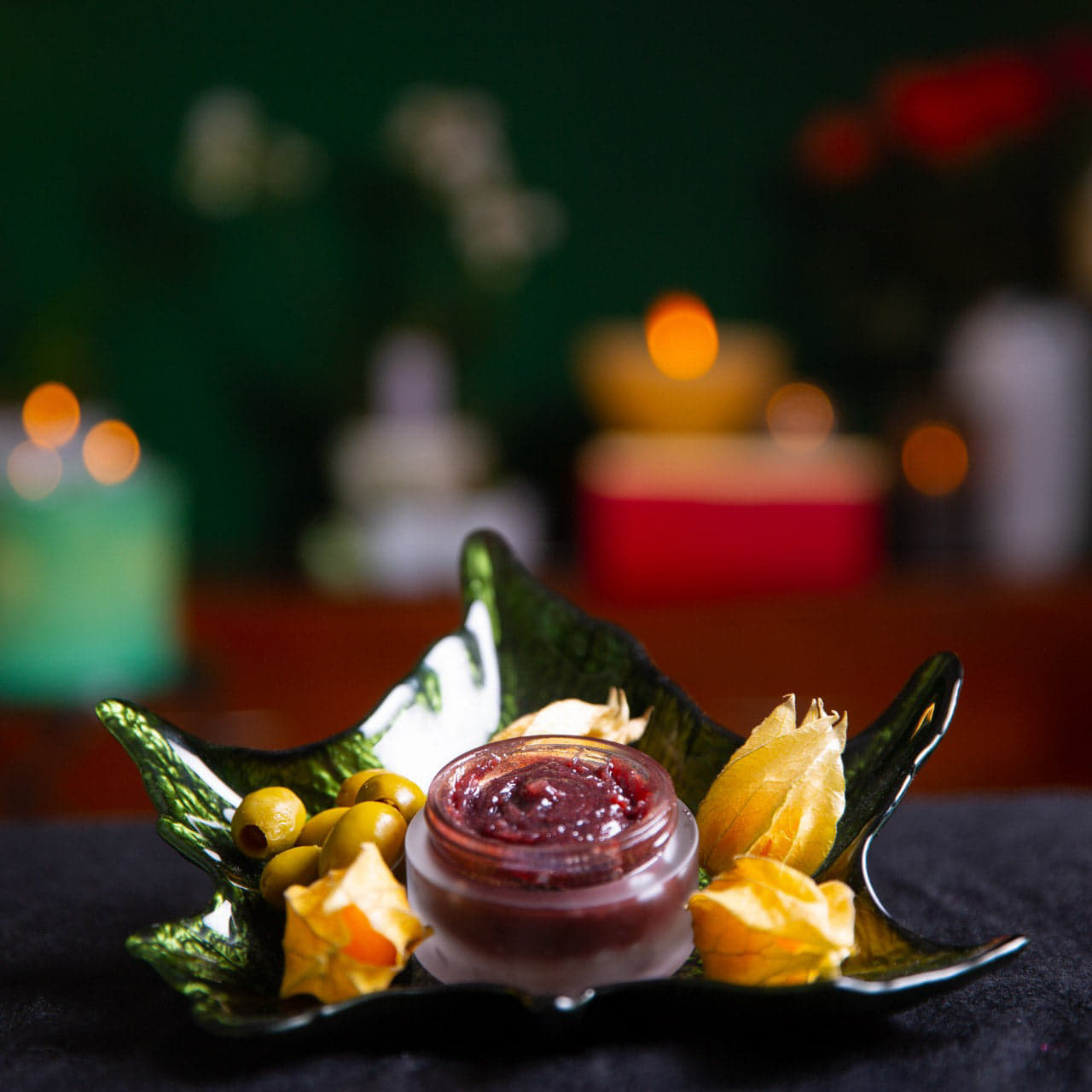
Picture this. Your customer opens the jar, takes a breath, and is greeted by a clean, floral scent that feels grounding and familiar. They dip their finger into the cream, and it melts like satin on contact. It glides, absorbs, comforts, and in that instant, they’re sold. Not just on that product, but on the next one too. High end skincare brands are doing this already!
Because now more than ever, skincare is about experience. And experience is built on sensorial strategy.
Why Sensorial Experience Is Your Brand’s Hidden Advantage
Your formulation can be clinically sound, packed with trending actives and supported by an impeccable INCI list. But if it feels greasy, smells unpleasant, or doesn’t apply smoothly, it likely won’t be reordered.
Skincare has become a form of self-care, and self-care demands sensorial satisfaction. Studies consistently show that consumer perception stems from how a product feels, smells, and applies. Texture, scent, and delivery are not afterthoughts. They sit at the heart of product success, especially for high end skincare brands competing in a saturated market.
Sensory experiences also create strong emotional and psychological connections. Cognitive science shows that scent and touch are deeply linked to memory and habit formation, making them powerful tools for building brand loyalty.
Texture: The Tactile Story of Your Brand
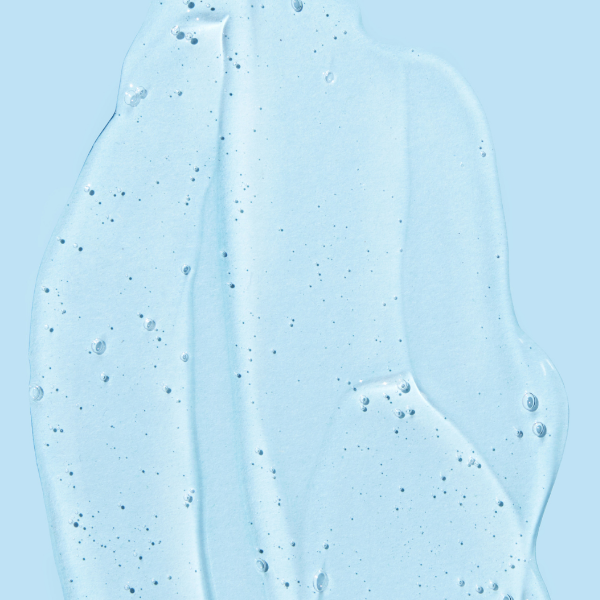
Texture is more than consistency. It’s how your customer experiences your brand through touch. A light gel tells a different story than a rich balm. A whipped cream texture suggests indulgence, while a fluid milk conveys freshness.
When formulating, choose emulsifiers, thickeners, and oils that align with your brand’s sensorial DNA. Are you clinical or luxurious? Minimalist or indulgent? Texture should always support the message you want your product to communicate.
Scent: The Invisible Signature
Scent is often the first thing noticed and the last thing remembered. It communicates mood, purpose, and identity instantly. A calming lavender blend signals relaxation. A zesty citrus note energises and uplifts.
Creating a scent signature is not just about selecting essential oils. It’s about crafting a sensory fingerprint that becomes part of your customer’s ritual. Always ensure blends are IFRA-compliant and appropriate for the product type, lighter for facial products and stronger for body care, while respecting dermal limits and allergen regulations across regions.
Delivery: The Format Is the Feel
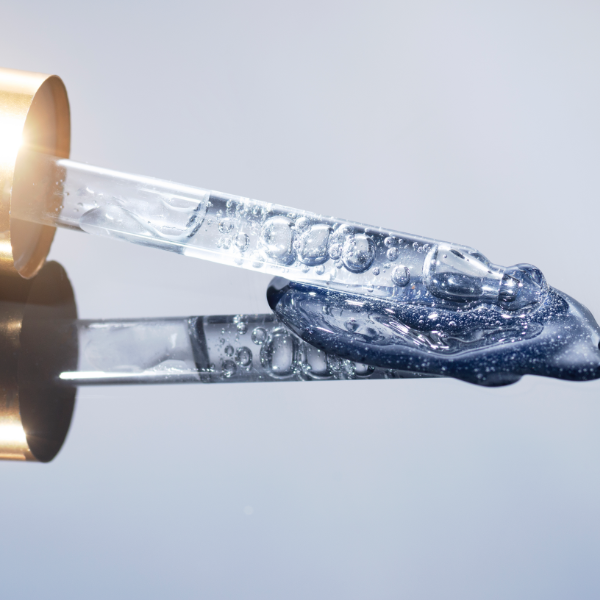
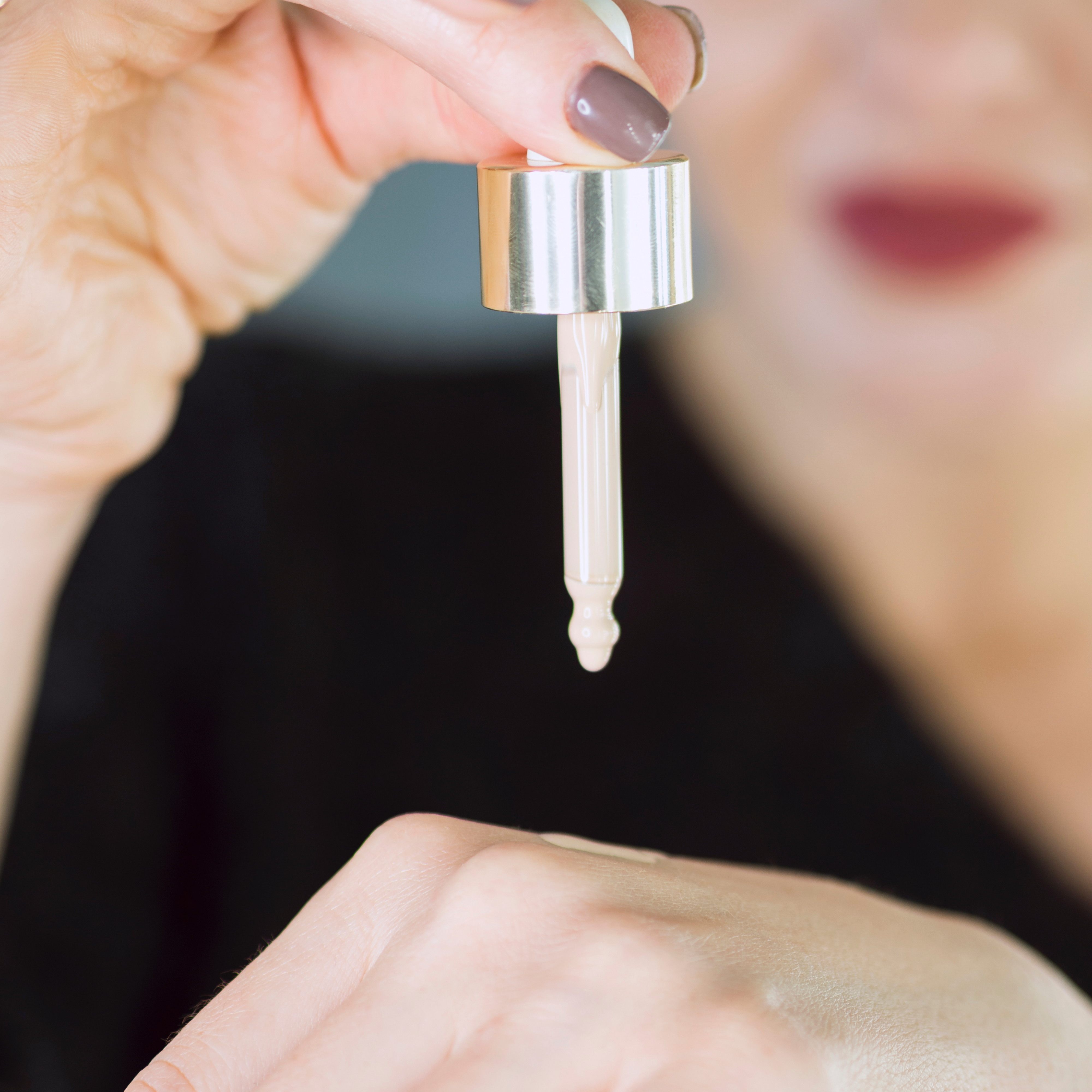
How a product is dispensed shapes how it’s used and remembered. The elegance of a glass dropper, the practicality of a push-up stick, or the indulgence of melting a balm in the hands all create different emotional responses.
Is your product a one-time indulgence or a daily essential? Should it encourage layering, massaging, or blending with other formats? Delivery plays a much bigger role in perceived value than most formulators realise, and choosing the right format strengthens loyalty and repeat purchase.
Each product category, from facial cleansers to body oils, demands a slightly different delivery ritual. Tailoring sensorial strategy by product type enhances usability and long-term engagement.
Sensorial Formulation Techniques That Convert
Creating high-impact sensory products does not mean compromising efficacy. When done correctly, sensorial design enhances both performance and perception.
Start by prioritising skin feel, then refine with actives, stability, and user experience. Consider:
- Esters such as coco-caprylate for a silky glide
- Natural thickeners like sclerotium or xanthan gum for softness and suspension
- Silicone alternatives for dry-touch or powdery finishes
- Lamellar emulsions to mimic skin structure and improve absorption
- Multi-functional ingredients like lecithin that both emulsify and moisturise.
The goal is a product that performs beautifully and feels unforgettable.
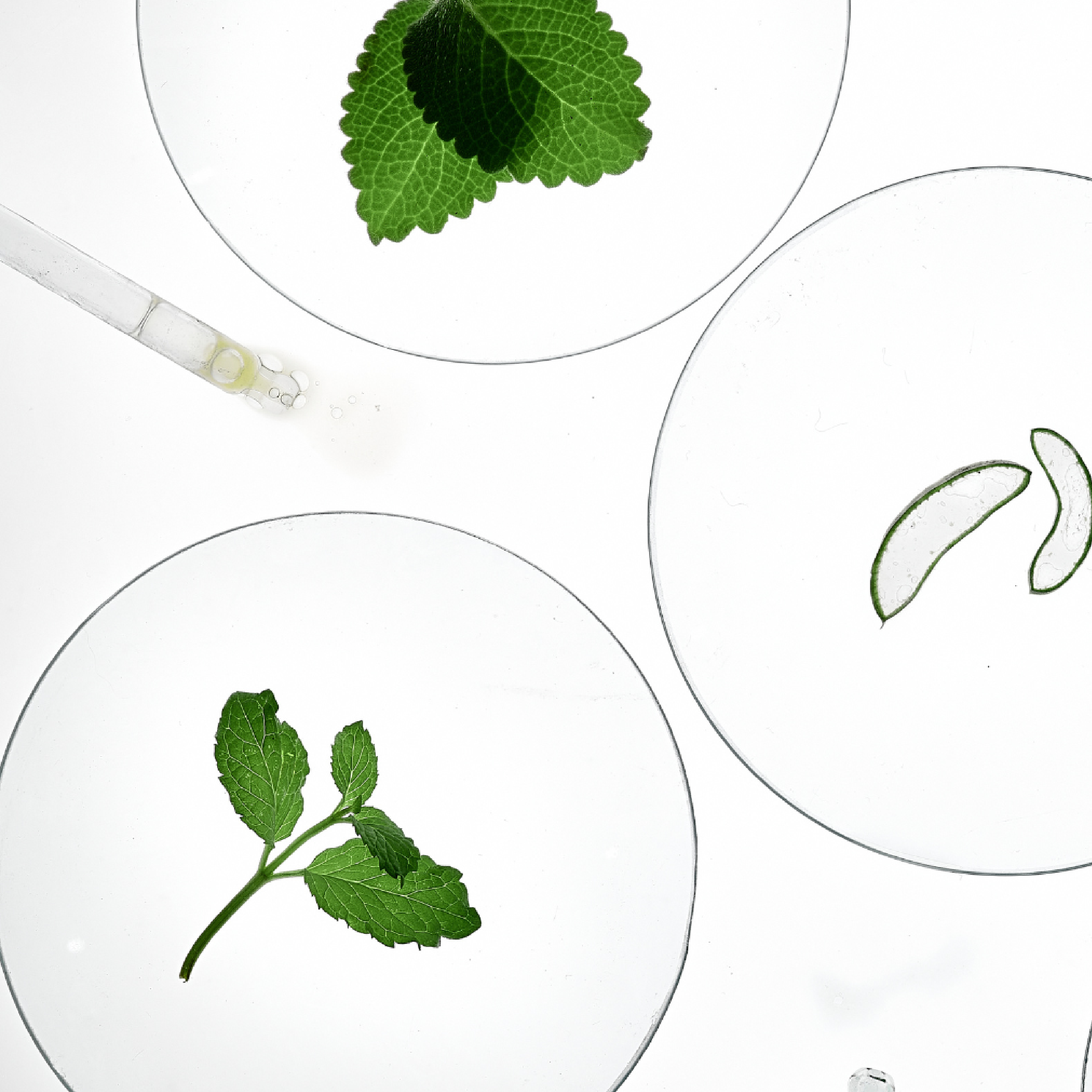
Inclusivity is also essential when crafting sensorial rituals. Sensitive skin may benefit from lightweight gels with chamomile extract and sclerotium gum, avoiding essential oils to minimise irritation. Oily skin often responds well to fluid milk textures with squalane and light citrus notes that refresh without clogging pores. Cultural preferences matter too. Asian markets often favour clean, green scents, while Western consumers may prefer richer fragrance profiles.
When textures and scents are adapted to diverse needs, products become universally appealing rituals rather than niche experiences.
Sensorial Branding: More Than a Logo
What if your texture and scent became part of your visual identity? The way a cleansing balm cracks when scooped. The scent that resets energy midday. The cream that always feels silky and soothing.
When every formula in your range delivers a distinct yet cohesive sensorial experience, you are not just creating skincare. You are creating consistency, memory, and emotional resonance.
Many high end skincare brands master sensorial rituals to captivate their audience. L’Occitane’s Shea Butter Ultra Rich Body Cream transforms application into a moment of indulgence through its velvety texture and subtle nutty scent. Rituals’ The Ritual of Sakura Body Scrub pairs a gritty yet soft texture with a delicate floral fragrance to create a spa-like experience. These products show how texture, scent, and delivery elevate a formula into a ritual customers return to.
A cohesive sensory strategy across your product line reinforces brand identity and strengthens recall in an increasingly crowded market.
Why It Pays to Invest in Sensorial Strategy
Products with strong sensorial appeal are more likely to be repurchased, photographed, shared, and remembered. Sensorially rich products keep customers coming back. Luxury skincare is not defined by price alone, but by immersion. When products engage the senses, they feel worth every penny.
Sensorial rituals also align with 2025’s biggest consumer trends, from mindfulness to social storytelling. On TikTok and Instagram, GRWM content thrives on interactive textures and visible transformations. Gel-to-milk cleansers, whipped mousses with gourmand notes, and honey-textured serums are designed to be filmed and shared. These moments turn routines into rituals and rituals into content, driving discoverability and loyalty.
Before saying goodbye, here’s the key takeaway. Your customer does not need another step or an overcomplicated routine. They need a moment. A pause. A connection that feels intentional.
That comes from the way your cream melts, the way your mist settles, the way your oil glides, and the way your scent lingers. To create formulas customers rave about and reorder, focus on the sensory trifecta: feel, scent, and usability.
Want to design a sensory-driven product? Email us at
contact@mbcosmeticslab.com
and let’s bring your next unforgettable experience to life.
Here’s to formulas that work and brands that thrive.
From My Lab to Yours
Rose

Add comment